Guided emergency exercises · Documentation · Follow-through

Run emergency drills your team can follow—and your compliance program can use.

RehearseCare walks the facilitator through every stage, captures participation and observations with taps, and turns the debrief into a time-stamped after-action record with accountable follow-up.

Supports preparedness documentation · After-action reviews · Corrective-action tracking

Live drill07:41

Malignant Hyperthermia — OR 2

Stage 3 / 5

Read this to the team

The temperature is rising rapidly. Blood pressure is falling and the rhythm is becoming unstable.

HR

142

BP

92/54

SpO₂

94

EtCO₂

78

Watch for — tap when observed

Dantrolene 2.5 mg/kg prepared and given

Active cooling started — cold saline, ice packs

+ Clear leader△ Delay

§ 01How it works

One guided path from prebrief to documented debrief.

01

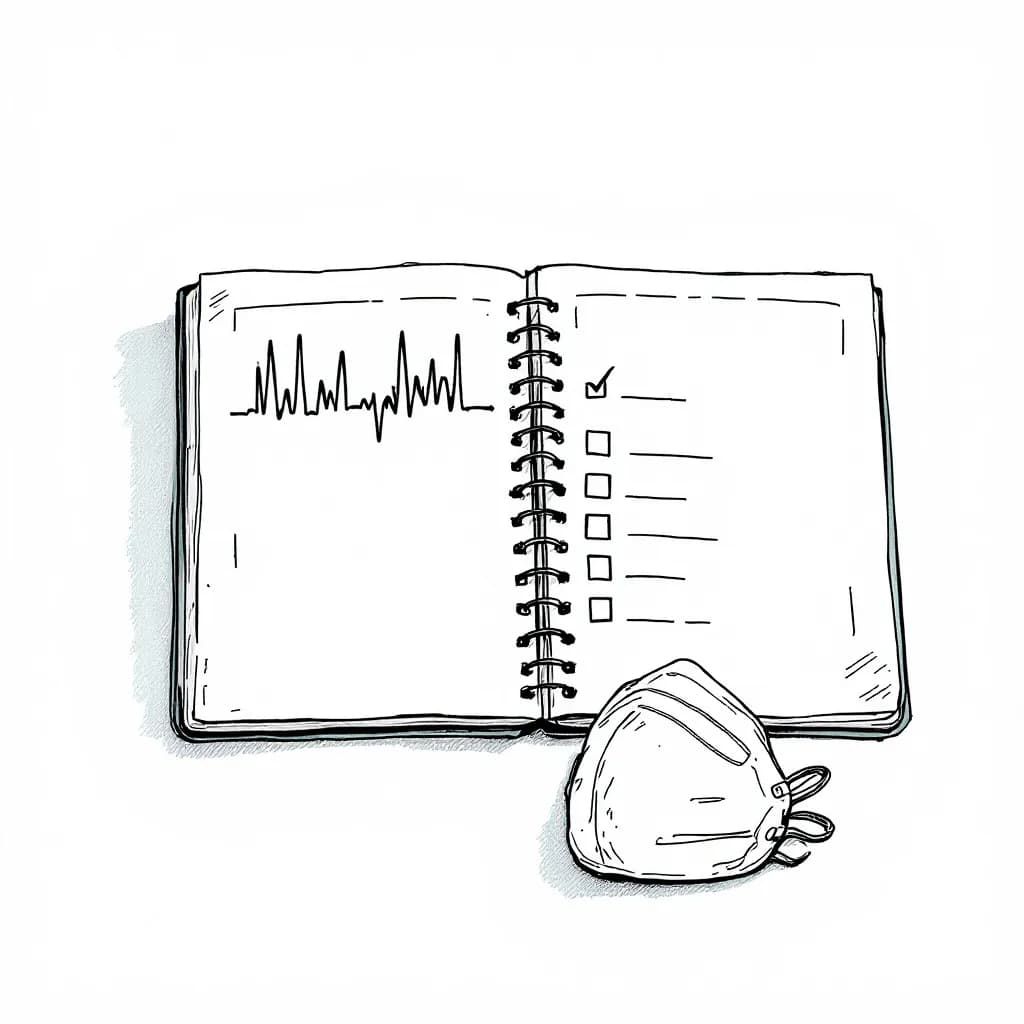
Ink drawing of an open drill manual with a vital-sign trace and checkboxes
Fig. A — Scenario manual

Pick or build a scenario

Start from twelve staged scenarios. Adapt the recommended team, equipment, and timing to your own rooms and protocols.

02

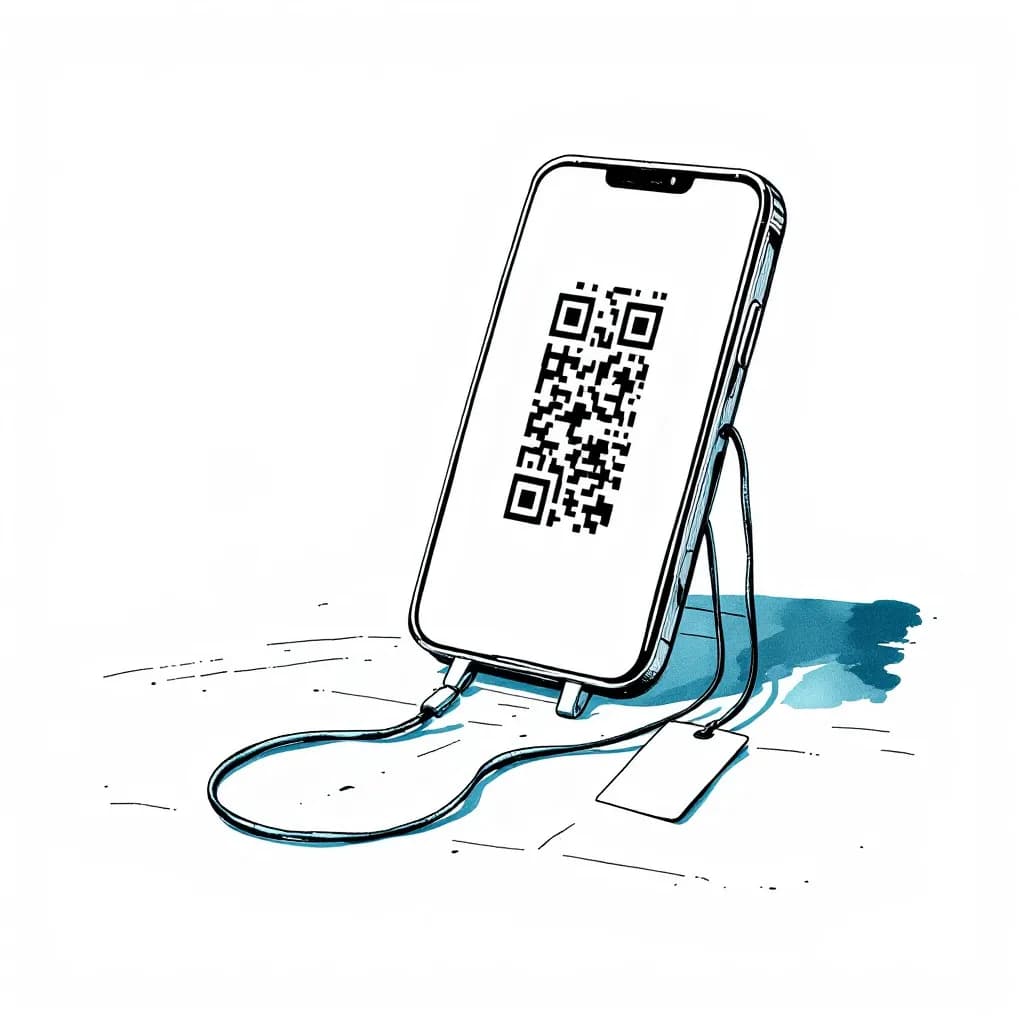
Ink drawing of a phone on a stand showing a QR code, badge lanyards beside it
Fig. B — QR check-in

Brief and check in by QR

Participants scan, tap their role, and get a role card. Questions use quick choices, with no app to install.

03

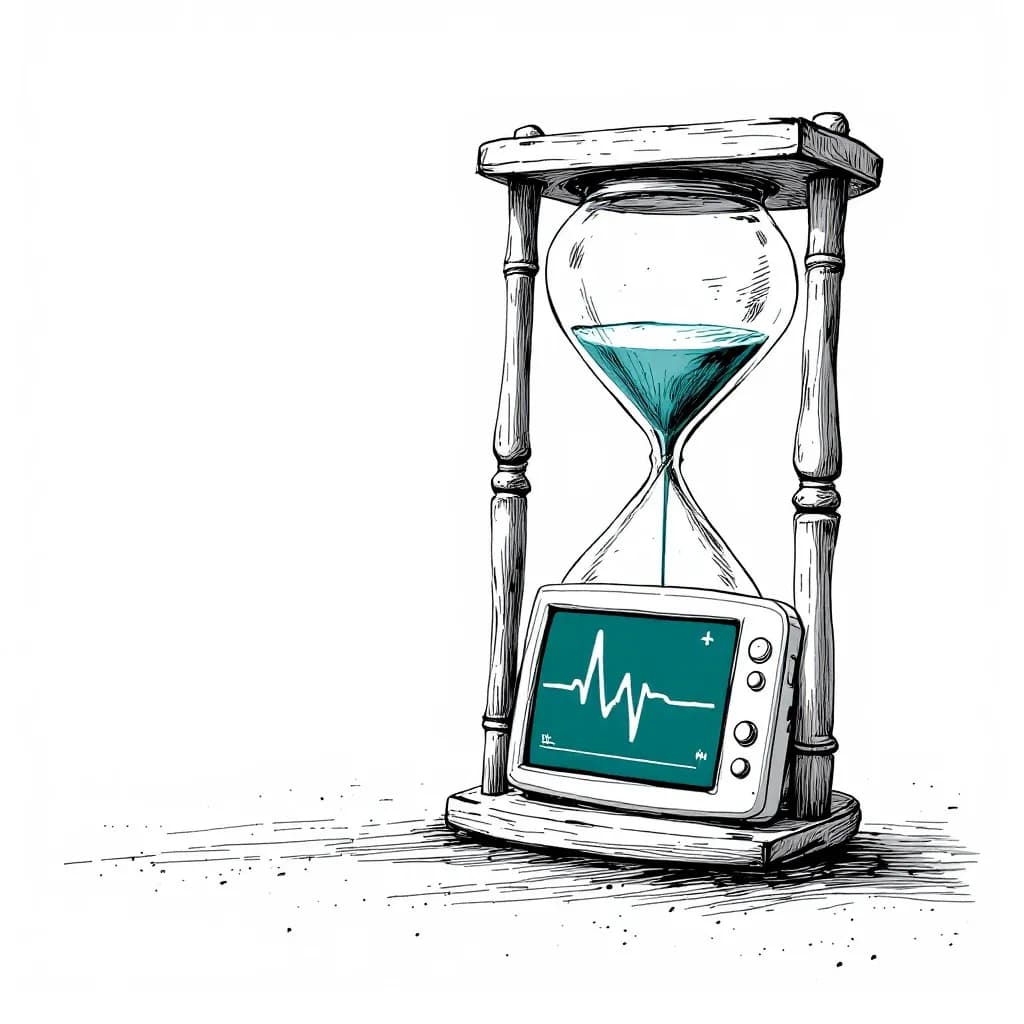
Ink drawing of an hourglass with teal sand beside a patient monitor
Fig. C — Timed stages

Run it from your phone

Read the script, deliver cues, reveal results, and mark expected actions. The runner always shows what to do next.

04

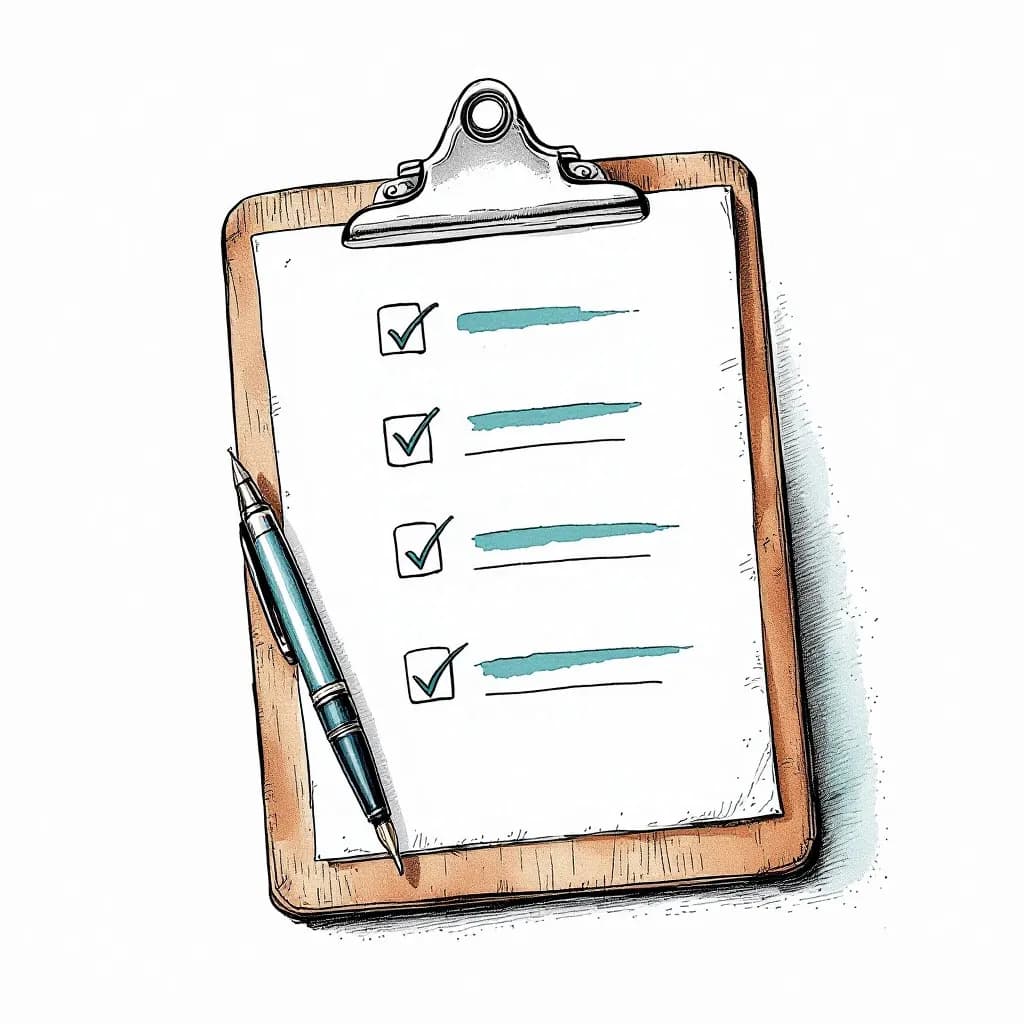
Ink drawing of a clipboard with checked items and a fountain pen
Fig. D — After-action

Debrief and assign fixes

Confirm suggested findings, tap an owner and due date, then freeze the after-action record and follow-up plan.

§ 02The platform

More guidance for the facilitator. Less typing for everyone else.

Library

Ready-to-run scenarios

Twelve complete scenarios, from malignant hyperthermia to a full mock code — each with roles, equipment, timed vitals, and observer checklists.

Authoring

Build or adapt your own

A step-by-step editor, copy-and-customize from the library, JSON import, and an API for publishing at scale.

Facilitation

A script, not a dashboard

The runner tells the facilitator what to say, what to watch for, what to reveal, and when to advance.

Assessment

Tap-first participation

QR check-in, role buttons, quick-response questions, expected-action taps, and structured teamwork ratings.

Follow-up

Debrief without blank pages

Live observations become suggested findings and corrective actions with owners and due dates.

Records

Survey-preparation record

Keep the scenario, attendance, timeline, after-action review, and improvement follow-through together.

§ 03Scenario library

Twelve scenarios, staged to the minute.

Every scenario carries real operational detail: dantrolene reconstitution, quantified blood loss cues, contraindication checks. Copy one and adapt it to your own protocols, staffing, and rooms.

Browse the full library →
ScenarioDomainMinLevel
Malignant HyperthermiaPerioperative45Advanced
Massive Transfusion for HemorrhagePerioperative40Advanced
Laryngospasm After ExtubationAirway30Intermediate
Postpartum HemorrhageObstetric40Intermediate
Pediatric Respiratory EmergencyPediatric30Beginner
Fire in the Operating RoomFacility35Intermediate
Emergency Evacuation of the FacilityFacility40Intermediate
Security Emergency: Threatening PersonFacility30Intermediate
Severe Weather & Power FailureFacility45Beginner
Local Anesthetic Systemic ToxicityRegional35Advanced
Anaphylaxis Under AnesthesiaPerioperative35Intermediate
Adult Cardiac Arrest — Mock CodeResuscitation35Intermediate

§ 04Accreditation & CMS

Preparedness is more than holding a drill.

CMS requires ASCs to test the emergency plan at least annually, analyze and document the response, and revise the plan when needed. RehearseCare keeps the exercise, participation record, observations, after-action review, and follow-up together in one guided workflow.

CMS emergency preparednessMedicare-certified ASCsTest the emergency plan at least annually, analyze and document the response, and revise the plan when needed. Exercise type and cycle still depend on the rule and your circumstances.42 CFR 416.54
CMS QAPIASC quality programsUse drill findings as one input for identifying opportunities, implementing improvements, and checking whether changes hold. A drill record supports QAPI; it is not the entire program.42 CFR 416.43
AAAHCAccredited ambulatory orgsCurrent guidance emphasizes scenario-based drills, evaluation, identified weaknesses, and corrective action. Confirm cadence and applicability in your current program manual.June 2026 guidance
Joint CommissionHospitals & ambulatory programsEmergency management uses a cycle of planning, training, exercises, evaluation, and improvement. Validate each requirement against the standards applicable to your program.Public EM resources

When someone asks for the record, pull the scenario tested, participants, event timeline, debrief findings, and improvement actions from one frozen completion record.

RehearseCare supports preparedness and documentation workflows. It does not determine compliance, replace required emergency plans or training, or guarantee accreditation or survey outcomes. Requirements vary by facility, jurisdiction, accreditor, and exercise type.

§ 05Who it's for

Built for the teams who can't just “go to the sim lab.”

RehearseCare brings structured emergency rehearsal to the places care actually happens: your OR, your PACU, your clinic exam room. You drill with the people who will be in the room on the real day.

Ambulatory surgery centersHospital departmentsAnesthesia groupsNursing educatorsSimulation leadersQuality-improvement teamsRisk managersClinics & outpatient
Ink drawing of an empty operating room with a surgical table under an overhead light
Fig. G — The real room

§ 06Why RehearseCare

Less prep, more practice

Read-aloud scripts, role buttons, expected-action taps, and suggested debrief findings keep the drill moving.

Repeatable across shifts

Reuse one staged scenario across shifts while preserving a separate record of every run.

The real team, the real room

Multidisciplinary teams practice together, where care actually happens.

Evidence while you run

Attendance, stage events, observations, review findings, and assigned improvements build into the final record.

Run the exercise. Keep the evidence. Close the loop.